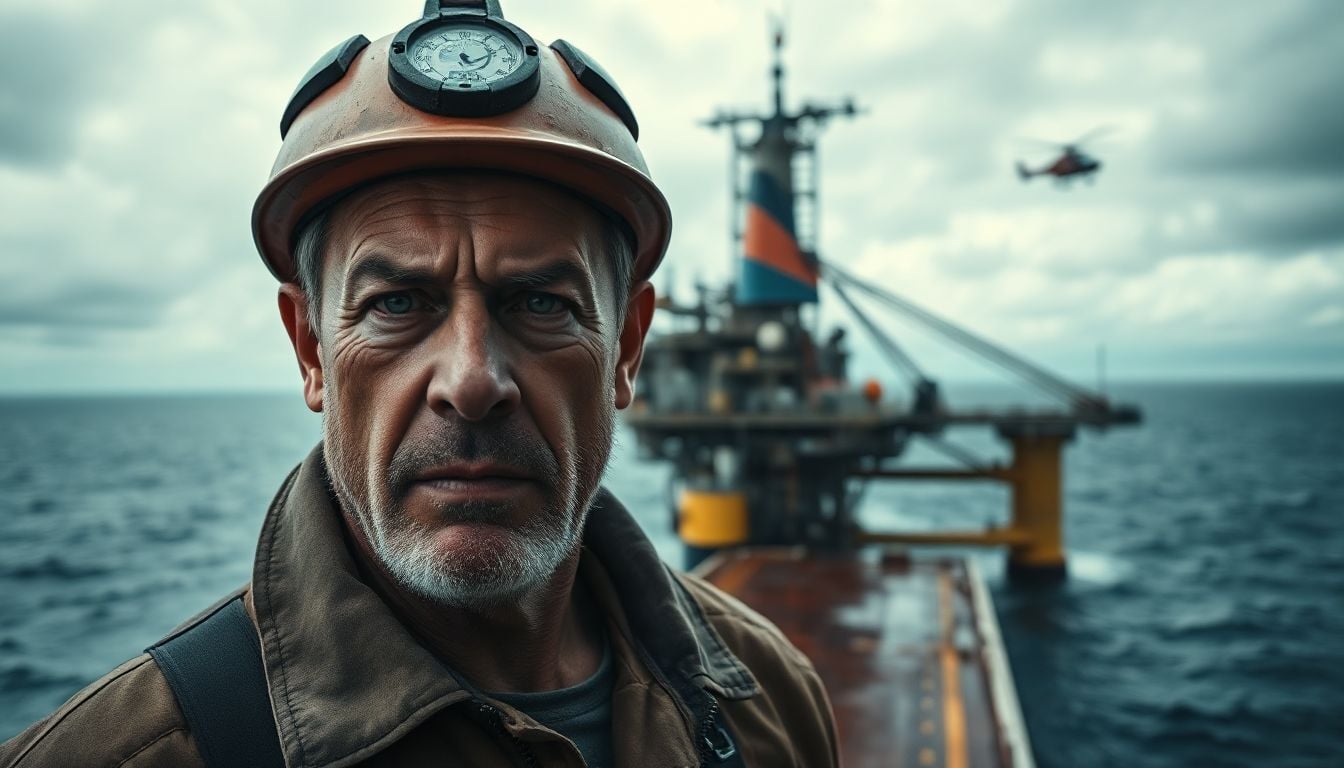
Offshore Rig Work Accident Lawyer: Protecting Your Rights at Sea
The offshore industry, while vital to global energy production, is inherently dangerous. Workers on oil rigs, drilling platforms, and support vessels face extreme conditions, hazardous machinery, and demanding schedules. This significantly increases their risk of severe injury or even death. When accidents occur, the complexities of maritime law, the involvement of large corporations, and the offshore location can make seeking justice and fair compensation incredibly challenging. This is where an experienced offshore rig work accident lawyer becomes indispensable, acting as a crucial advocate for injured workers and their families.
Understanding your rights and the legal avenues available after an offshore accident is the first step toward recovery. It also helps in holding responsible parties accountable. Navigating the intricacies of maritime regulations, such as the Jones Act, can be daunting, especially when dealing with serious injuries, lost wages, and mounting medical bills. An attorney specializing in these cases possesses the knowledge and resources to effectively manage your claim. They can fight for the compensation you deserve.
Understanding Your Rights After an Offshore Rig Accident
Getting hurt while working on an offshore rig can leave you feeling lost. You might wonder what your options are. Knowing your legal rights is important, and maritime law has special rules for workers like you. Understanding these rights early on helps protect your future.
The Jones Act and Other Maritime Laws
The Jones Act is a key law for many offshore workers. It protects "seamen" who spend a big part of their working time on a vessel in navigation. If your employer’s carelessness or the vessel's unsafe condition caused your injury, the Jones Act lets you seek compensation. This could be due to an unseaworthy vessel or the company's mistakes.
Other laws also apply, depending on your job. The Longshore and Harbor Workers' Compensation Act (LHWCA) covers certain harbor and longshore workers. General maritime law covers other situations, allowing injured workers to seek damages. An experienced offshore rig work accident lawyer can tell you which laws fit your case.
Types of Offshore Injuries
Offshore work leads to many serious injuries. Some are life-changing. These accidents can cause more than just physical pain. They can also mean huge medical bills and lost income.
- Traumatic Brain Injuries (TBIs): Falls or impacts can cause head injuries, leading to lasting problems with memory, balance, or mood. Compensation covers long-term care and lost ability to work.
- Spinal Cord Injuries: Damage to the spine can result in paralysis or limited movement. These are often costly, needing extensive medical help and home changes.
- Amputations: Losing a limb from equipment accidents or explosions is a severe injury. This means big compensation for prosthetics, therapy, and changes to your life.
- Burns: Fires, explosions, or chemical spills can cause severe burns. These need long hospital stays and multiple surgeries, leading to high medical costs.
- Drowning: This can happen if someone falls overboard or a vessel sinks. It can lead to wrongful death claims for families.
- Slips, Trips, and Falls: Wet decks or cluttered areas cause many falls. These might lead to broken bones, back injuries, or head trauma.
- Exposure to Hazardous Substances: Breathing in toxic chemicals or gases can cause serious lung issues or diseases over time. These often need ongoing medical care.
Common Causes of Offshore Accidents
Accidents on offshore rigs don't just happen. They often stem from unsafe conditions or bad decisions. Many times, these incidents are preventable. When safety is ignored, workers pay the price.
Defective equipment or machinery often plays a role. Tools that don't work right or break down can cause serious harm. A failure to maintain a safe work environment, known as unseaworthiness, is also a big concern. This means the vessel or its gear isn't fit for its purpose.
Inadequate training or supervision can put workers at risk. If crew members aren't taught correctly, or if no one watches over them, mistakes happen. Improper safety protocols, or ignoring existing ones, adds to the danger. Human error due to fatigue or negligence also causes many accidents. Working long hours can make people tired and less careful. Explosions and fires are also a constant threat, causing widespread damage and severe injuries.
The Role of an Offshore Rig Work Accident Lawyer
An offshore rig work accident lawyer is your strongest ally after an injury at sea. These specialized attorneys understand the unique laws governing offshore work. They know how to fight big companies to get you the money you need. Without this expert help, you might not get fair treatment or full compensation.
Investigating Your Claim
Building a strong case starts with a thorough investigation. Your lawyer will immediately work to gather all important facts. They know what evidence is critical.
This includes preserving accident reports and taking witness statements from co-workers. They'll also look at vessel logs and other company documents. Sometimes, they consult with maritime safety experts to understand exactly what went wrong. Analyzing the cause of the accident is key to identifying all liable parties. This could include vessel owners, platform operators, or even equipment manufacturers.
Navigating Maritime Legal Procedures
Maritime law is very different from regular personal injury law. It has its own complex rules and timelines. A maritime injury attorney helps you through this maze.
They understand different jurisdictions, knowing where your case should be filed. Strict deadlines for filing claims must be met, or you could lose your right to sue. Your lawyer will deal with big insurance companies and their corporate legal teams. These companies often try to settle for less than your claim is worth. Proving negligence or unseaworthiness is a major part of these cases. Your lawyer knows how to build that proof.
Calculating Fair Compensation
One of the most important jobs of your offshore rig work accident lawyer is to calculate all your damages. They make sure every loss is counted. This helps you get the full amount you deserve.
Your compensation can cover all medical expenses, both past and future. It includes lost wages and any impact on your ability to earn money later on. You can also get money for your pain and suffering. If you have a permanent disability or disfigurement, that is part of the claim too. For spouses, there's compensation for loss of consortium. If an accident leads to death, families can seek wrongful death damages.
Proving Negligence and Unseaworthiness
To win an offshore accident case, you must show who was at fault. This means proving either employer negligence or vessel unseaworthiness. These are the main legal reasons for getting compensation in maritime injury cases. Your lawyer works to build a clear argument for your claim.
Demonstrating Employer Negligence
Employer negligence means your company did something wrong or failed to do something right. This directly led to your injury. Proving this is a core part of many offshore injury claims. Your lawyer will look at many factors.
Did your employer fail to provide proper safety equipment? Was your training insufficient, leaving you unprepared for dangers? Did they fail to follow industry safety standards? Sometimes, employers overburden workers with excessive hours. This can lead to fatigue, causing accidents. Showing these failures helps prove negligence.
Establishing Vessel Unseaworthiness
A vessel is considered "unseaworthy" if it is not reasonably fit for its intended purpose. This can include the vessel itself, its equipment, or even the crew. You don't always need to prove negligence to show unseaworthiness. If the condition of the vessel caused your injury, you might have a claim.
Examples include defective gear or tools that break during use. Unsafe working conditions on deck or in crew quarters can also make a vessel unseaworthy. Improperly secured cargo that shifts and causes harm is another issue. A failure to provide adequate safety devices, like railings or life rafts, also counts.
Gathering Crucial Evidence
Strong evidence is vital for any offshore injury claim. It proves what happened and who was responsible. Your attorney will help you collect and protect this evidence.
Photographs and videos of the accident scene and your injuries are very helpful. Medical records and doctor's reports show the extent of your harm. Witness testimonies from co-workers or emergency responders can describe the accident. Vessel maintenance logs and inspection reports reveal past issues. Employment records and pay stubs prove your lost income.
Choosing the Right Offshore Rig Work Accident Lawyer
After an offshore accident, picking the right lawyer is a big decision. Not all lawyers understand the complex world of maritime law. You need someone who specializes in these cases. Making the right choice can greatly impact your case's outcome.
Experience in Maritime Law
Look for lawyers with a proven track record in offshore injury cases. Their specialized knowledge is extremely important. Ask about their experience with the Jones Act and LHWCA. These laws are central to most offshore worker claims.
Inquire about their success rates in similar cases. A lawyer who has won many offshore accident claims knows the strategies that work. This specific experience means they understand the unique challenges you face.
Resources and Support
A good law firm needs more than just one lawyer. It needs strong resources to handle tough cases. Does the firm have investigators and legal support staff? These teams help gather evidence and manage paperwork.
Can they afford to take on complex cases that might go to trial? Offshore companies have deep pockets and aggressive legal teams. You need a firm that can match their resources. Ask if they work with medical experts and accident reconstruction specialists. These professionals can provide expert testimony to strengthen your case.
Communication and Trust
Your relationship with your lawyer is important. You need to feel comfortable and informed throughout the legal process. Ensure the lawyer is willing to explain the legal process clearly. You should always know what is happening with your claim.
Choose someone you feel comfortable with and who communicates regularly. They should answer your questions and return your calls. Understand their fee structure upfront. Contingency fees are common in these cases, meaning the lawyer only gets paid if you win.
The Legal Process and What to Expect
When you're hurt on an offshore rig, the legal journey can seem long. Knowing what to expect helps ease your mind. Your offshore rig work accident lawyer will guide you through each step. They make sure you understand what is happening at all times.
Initial Consultation and Claim Filing
Your first step is typically an initial free consultation with a lawyer. During this meeting, you discuss your accident and injuries. The lawyer will assess your case and explain your legal options. It's important to act fast. There are strict deadlines for filing claims and lawsuits in maritime cases. Your lawyer will then initiate the legal process. This means filing the necessary paperwork to officially start your claim.
Negotiation and Settlement
After your claim is filed, your lawyer will begin negotiations. They will talk with the insurance companies and vessel owners. The goal is to reach a fair settlement outside of court. A settlement might be advantageous if it offers fair compensation without the stress and time of a trial. Your attorney's role is to advocate strongly for a settlement that covers all your damages. They will advise you on whether a settlement offer is fair.
Litigation and Trial
Sometimes, a fair settlement cannot be reached through negotiation. In these cases, your claim may proceed to litigation and trial. What to expect if a settlement cannot be reached includes court hearings and legal arguments. The stages of a maritime lawsuit involve discovery, motions, and eventually a trial before a judge or jury. The importance of strong evidence and a clear legal strategy is paramount during trial. Your lawyer will present your case and fight for your rights in court.
Conclusion: Securing Your Future After an Offshore Accident
Working offshore comes with great risks. When accidents happen, they can change lives forever. But you don't have to face the aftermath alone. Your rights as an offshore worker are protected by specific maritime laws, like the Jones Act. Accidents can and do happen, and holding responsible parties accountable is possible. The complexity of these cases means you really need experienced legal counsel.
Taking action for justice starts now. It is important to seek legal advice promptly after an offshore accident. Waiting too long can harm your claim. Hiring an offshore rig work accident lawyer gives you a powerful ally. They will fight for your fair compensation and recovery. Don't let a major offshore injury derail your life. Speak with an expert today to protect your rights and secure your future.
Post a Comment